
Innovators in the recruiting space since 2001.
Our sister company. Helping people become better job seekers.
Visit Hirewell.com
Talent Insights
The HOTTEST hiring insights, takes, and trends in all the land. Whether you’re hiring or looking for your next job, we’ve got something for YOU. #IYKYK
Subscribe to our newsletter:
Watch/Listen:



Read:

Our Latest Featured Episode

No results found.
Candidate Experience sucks right now. That’s it. That’s the show.
If you think back to 2021, when the job market was on fire, it was top of mind for everyone. Not just LinkedIn think pieces, but companies poured lots of time and effort into white-glove interview processes.
Now that the market cooled off, so did the effort. But there’s a disconnect: attracting talent isn’t any easier right now. In fact, it’s harder when you inadvertently cut corners.
Jeff Smith and James Hornick explain why ignoring candidate experience is costing companies big in The 10 Minute Talent Rant, Episode 111, “Candidate Experience Has Never Been Worse”


Episode 111
No results found.

Hirewell’s Jeff Smith teams up with no-BS guests to dunk on everything broken in hiring. Sharp takes, real stories, and maybe even a solution or two. If they have time.

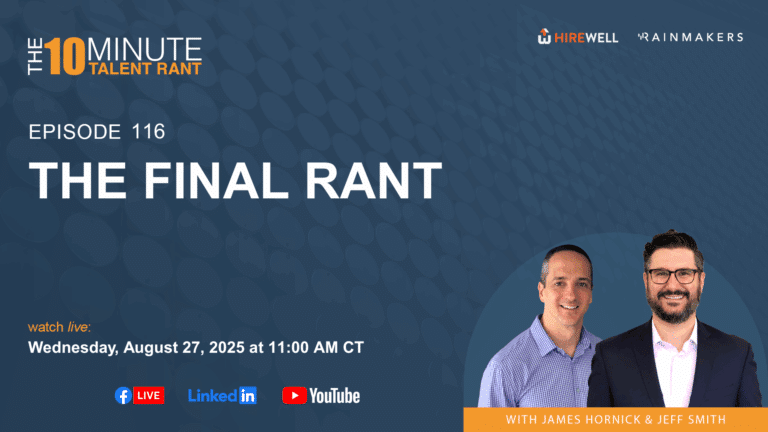
Whelp, that’s a wrap. After 20 years, James is leaving the recruiting industry behind. And Hirewell. And the 10 ...
Episode 116
Weird aspect of the AI era: more and more candidates are first learning about companies after they applied.
You ...
Episode 115
Coming Soon...
Welcome to Between Two Hires, where we uncover the untold stories of hiring triumphs and tribulations in the world of startup tech companies. We know that an amazing new addition to the team can completely change the trajectory of your company. But get it wrong and it can cripple your growth, be time-consuming and costly, to say the least. So join Tom and his guests to learn how to avoid costly hiring mistakes and propel your business to success!

From IPOs to ICU: Why Maryana Kessel Is Building Different
What happens when the system breaks you and then you ...
Episode 18
What if your best hire doesn’t look good on paper?
David Aviles has built go-to-market teams from ...
Episode 17
Coming Soon...
Beyond the Offer is Hosted by Bill Gates and Rosanna Snediker, who attack the latest trends and challenges in talent acquisition and human resources. They chat with top executives and HR Leaders to discuss their recruiting and retention problems, how they are solving them, and what changes they anticipate in the future of HR and Talent acquisition. Their topics include talent acquisition, agency/staffing recruiting, RPO solutions, recruiting technology, HRIS, and ATS Technology, and recruiting landscape over the next decade or so. Tune in to learn more!

What happens when both sides of the hiring process suddenly have AI?
Recruiters can source faster, research ...
Episode 21
Most hiring conversations focus on filling open roles.
This episode focuses on what happens after the hire is ...
Episode 20
Coming Soon...
Our weekly show where our hosts Ryan Brown and Emily Goor discuss the company’s updates. They cover a few of the newest openings we’re working on currently across all our divisions. They also highlight “Recruiter of the Week” where we bring on one of our recruiters and they participate in a rapid-fire questions game, in hopes of allowing our audience to get to know the team better.

In this episode of The Hirewell Update, Ryan Ross is joined by Charlie Saffro, founder and CEO of CS Recruiting, ...
Episode 35
In this episode of The Hirewell Update, Ryan Ross welcomes Jeff Smith to talk through why now, not January, is the ...
Episode 34
Coming Soon...
Hosted by Sarah Sheridan, The Balancing Act brings high-level execs to the mic to explore how they balance thriving careers with family life. From parenting’s impact on leadership to employer support and practical advice, each episode delivers bold insights to help you succeed at work and home.

This week, Sarah Sheridan talks with Lewis Krell from Happiest Baby, the company behind SNOO, to talk about sleep ...
Episode 11
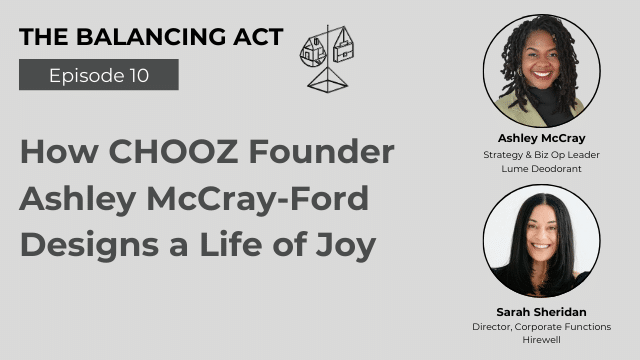
In this episode of The Balancing Act, Ashley McCray-Ford gets real about:
The identity shift that hit ...
Episode 10
Coming Soon...

Expert interviews, panel discussions, and industry insights. The Talent Insights series has covered everything from hiring to retention to DEI.
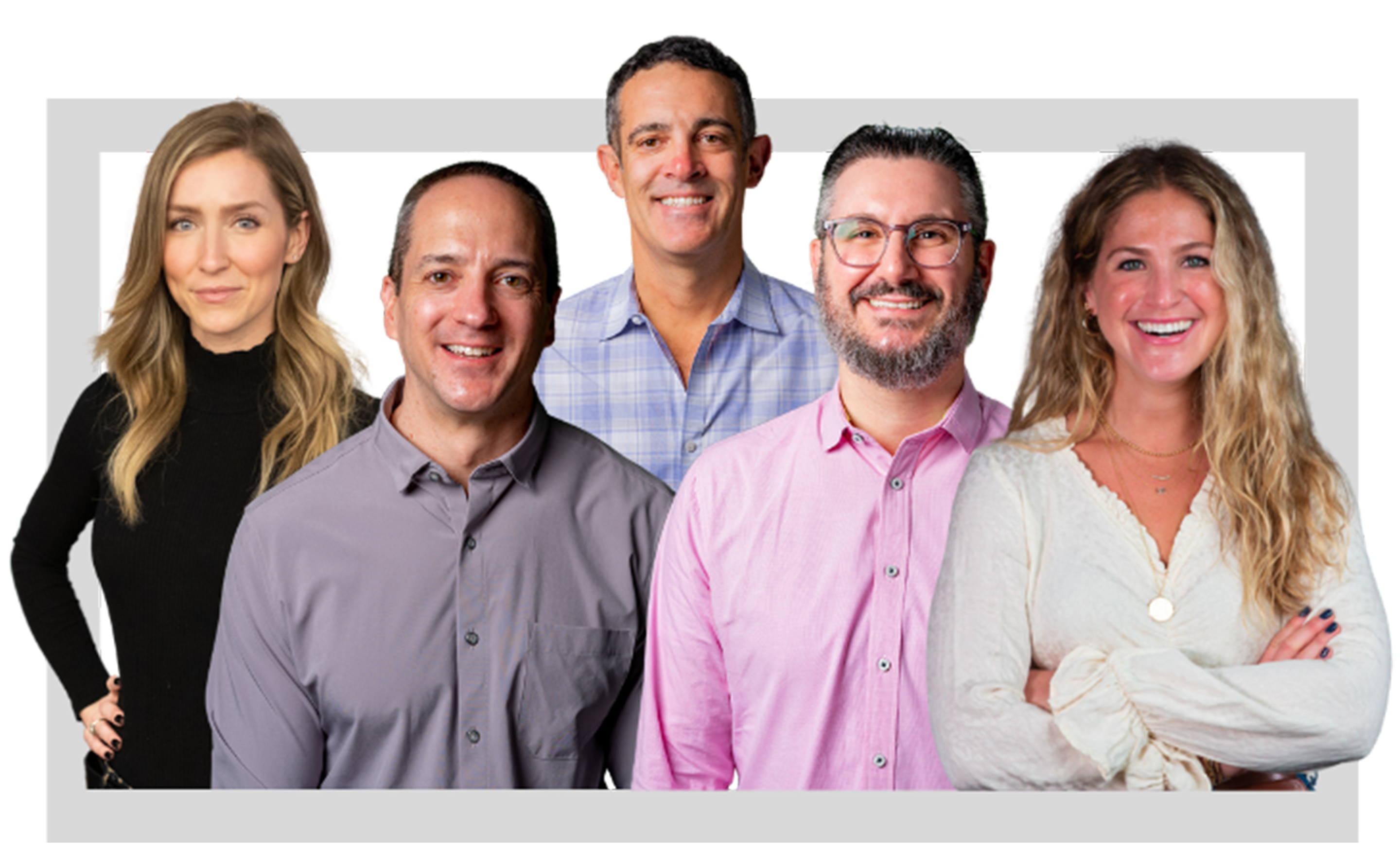
Industrial hiring is a different animal.
In this episode, Charlie Saffro, Jeff Smith, and Shannon DiBenedetto ...
Episode 246
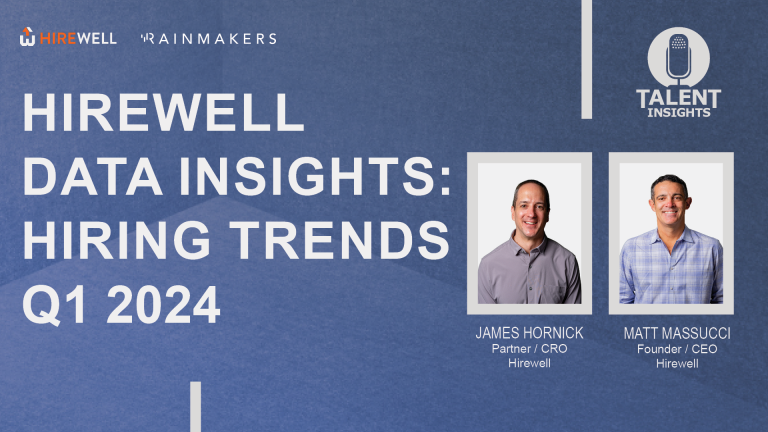
New year. New hiring market. Hopefully.
2023 was a year a lot of recruiters are happy to turn the page on. But ...
Episode 110
Coming Soon...
Blog
Our text based blog articles
Industry analysis on a variety of hiring, HR, recruiting and job seeking topics. Written by our very own Hirewell team.
AI Fluency is a Real Hiring Requirement in GTM
6 Trends Defining GTM Hiring in 2026
Hirewell Acquires Gateway Essentials, Expands Into GovCon Recruiting
AI, Adaptability, and the Skills Recruiters Actually Need
How PE Firms Can Build a Scalable Talent Acquisition Model Across Their Portfolio
No results found.